Best Cursive Fonts for Logo and Branding in 2026
Check out the best cursive fonts for logo and branding. Try them out this year to wow your clients, boost sales, and increase brand loyalty.

Check out the best cursive fonts for logo and branding. Try them out this year to wow your clients, boost sales, and increase brand loyalty.

If you notice, almost every memorable script logo feels personal, even when a computer drew it. In 2026, the best cursive fonts for logo and branding still mix that "handwritten" warmth with clean, digital-friendly shapes. You get movement, emotion, and a logo that looks custom, not generic.

This guide walks you through how to choose the best cursive fonts for logos, where AI fits in, and which high-quality cursive fonts actually deserve a spot in your toolkit this year.
Cursive type is strong seasoning. You can set the whole mood of your logo with one word in the right script, then keep everything around it calm and readable. Think of cursive fonts that suit the mood of your project first; then worry about "pretty" details.
Below are practical angles on how to choose cursive fonts, test them, and make them work hard across channels.
Choose the script style based on the story your logo needs to tell, not just what looks cool in a font preview.
A high-end spa, a retro tattoo studio, and a kid’s stationery shop all sit under the broad label of "best script fonts," but they do not share the same curves. Formal scripts like Pinyon Script or Petit Formal Script suit romantic cursive logos, wedding brands, and premium beauty packaging because they echo classic penmanship and calligraphy. Casual handwritten fonts such as Amsterdam or Christopher Hand lean toward lifestyle brands, barbers, and personal creators who want that "signed by me" feel.
If you notice phrases like "best cursive fonts for your visual identity" in tool roundups, read them with your own context in mind. A vintage brush script might be perfect for retro food trucks or barbershops but too loud for fintech. Use competitor logo galleries and pages like Logome’s best logo ideas hub to sanity-check whether your chosen script fits your space.
Cursive logos rarely live alone. They show up next to taglines, menus, UI labels, and long-form text, so you need a simple partner font and a color system that does not fight the script.[2][21]
Most guides on how to choose the best cursive fonts for logos recommend pairing a decorative wordmark with a clean sans or serif for everything else. That way, the script handles personality while the secondary business fonts carry longer information. Logome’s article on logo color psychology shows how color choices affect trust and emotion; a delicate script in harsh neon can feel off, while the same font in deep navy and cream feels calm and premium.
You should also keep legibility in mind across touchpoints. Resources on logo design trends and flat logos vs 3D logos show that even 3D or textured scripts usually "flatten" to a simpler silhouette for favicons and app icons. A cursive logo that looks perfect at 1200 pixels but collapses at 32 pixels will not survive real usage.
You will know a cursive logo works when it survives tiny favicons, social avatars, packaging, and big outdoor surfaces without losing its personality.
Guides on cursive fonts in logo design repeat the same point: readability comes before flourishes. Run your script logo through a usability checklist similar to Logome’s piece on how to check logo usability. Shrink it to favicon size, drop it on busy photos, print it in one color, and mock it up as embroidery. If a loop disappears, a swash crashes into another letter, or the script feels muddy in grayscale, adjust the font weight, letter spacing, or choose a simpler connected script.
This is also where AI tools help. You can export test assets from Logome into social templates, then schedule them through Buffer or FeedHive and watch performance data. If one style wins more clicks, saves, and replies, that is your signal, not just a hunch.
You do not have to draw every swirl by hand. Several tools generate cursive text, previews, and logo art, so you can prototype cursive font designs before you commit:
The right script does more than look pretty. Used with intention, the best cursive fonts for logo and branding can shape how people feel about your business before they read a single line of copy.
Below are 20 high-quality cursive fonts chosen for real branding potential in 2026, not just pretty screenshots. Several appear repeatedly in expert lists from Figma, Namecheap, Looka, and newer 2026 roundups.
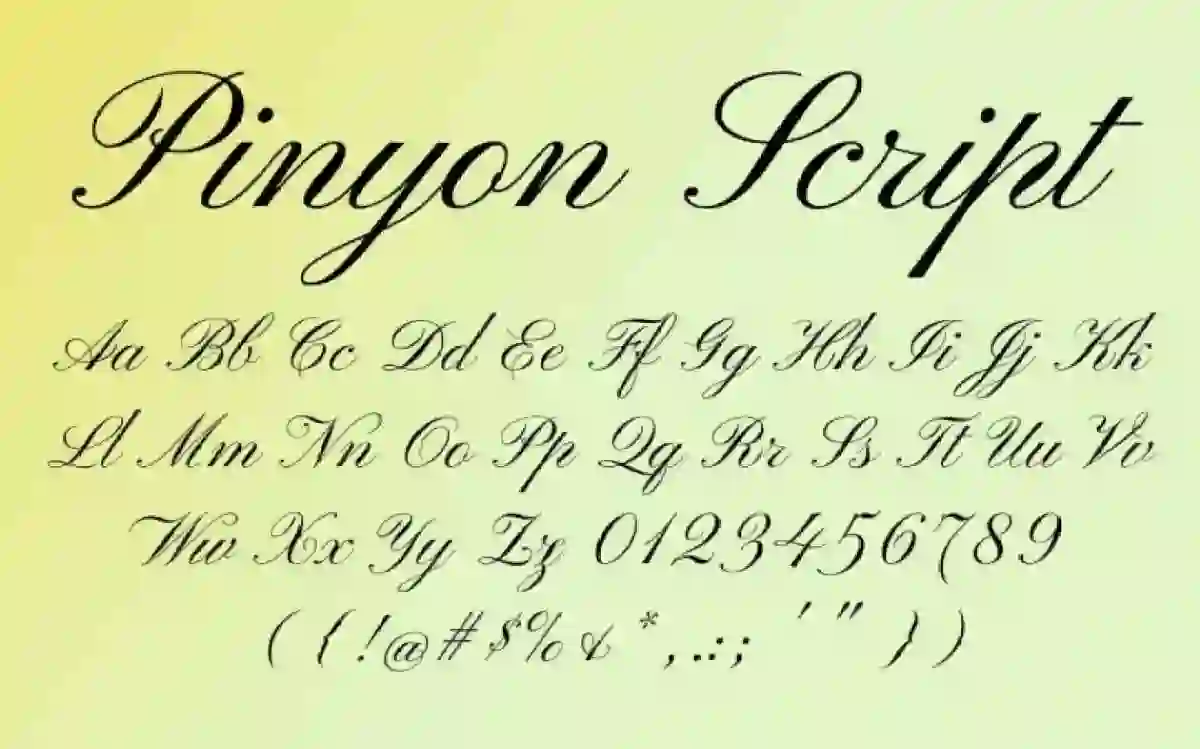
Pinyon Script is a refined roundhand script designed by Nicole Fally, known for its high contrast, sweeping swashes, and strong slant. It shines at larger sizes where the thick–thin transitions read clearly, which makes it ideal for wordmarks on packaging, wine labels, and upscale hospitality.
You can treat Pinyon as one of the best cursive fonts for logo and branding when you want romance without unreadable flourishes. Pair it with a simple serif or sans for body copy and you get classic "heritage" energy without feeling stuffy.
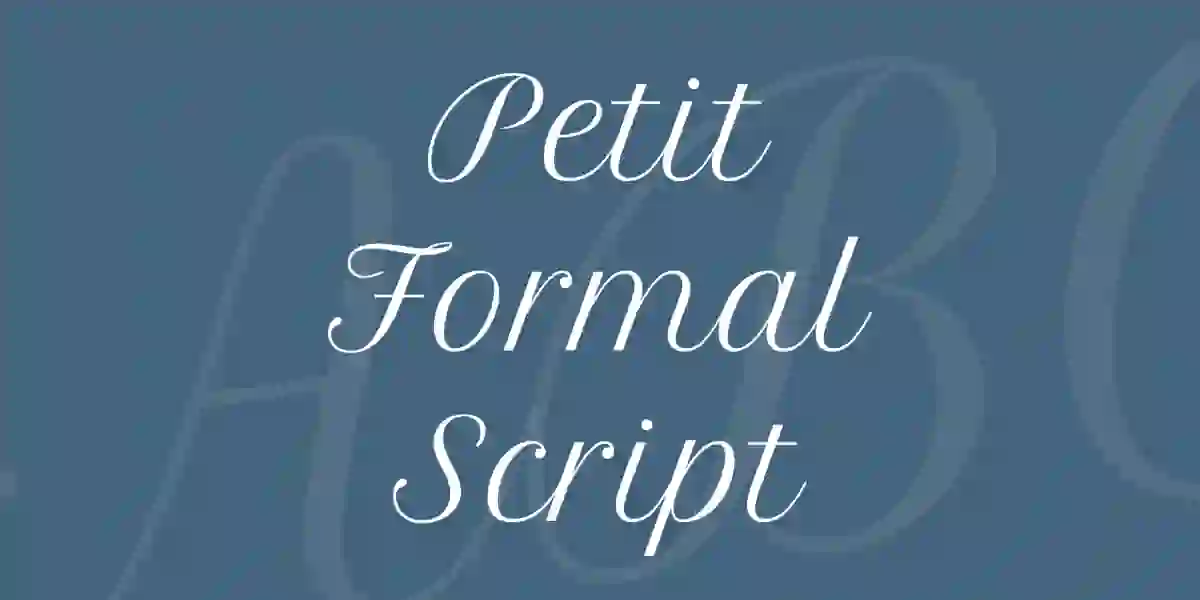
Petit Formal Script was built for legibility on screens while keeping a formal calligraphic tone, and it is licensed for both personal and commercial use under the SIL Open Font License. Long ascenders and descenders give it a graceful rhythm, but the strokes stay thin enough to hold up in smaller print.
This makes it useful for certificates, boutique wordmarks, and luxury services where you need a script that still reads at business-card size. If you are working through how to choose cursive fonts that feel elegant but not over-decorated, Petit Formal Script is a safe benchmark.
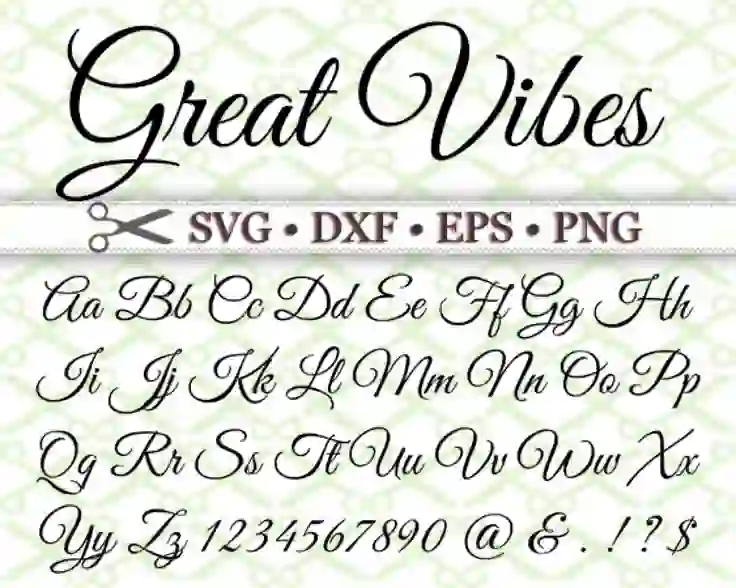
Great Vibes, designed by TypeSETit and distributed through Google Fonts, is one of the most widely used free calligraphy fonts for branding and invitations. It combines flowing connections with carefully tuned spacing, so even long names remain readable.
Some lists miswrite it as "Great Vibesby Avatar," but the typeface itself stays consistent: high-contrast strokes, generous loops, and a graceful baseline that works well in one or two-word logos. You can lean on it when you need best cursive fonts for logos in wedding, beauty, or bakery niches without buying a license on day one.
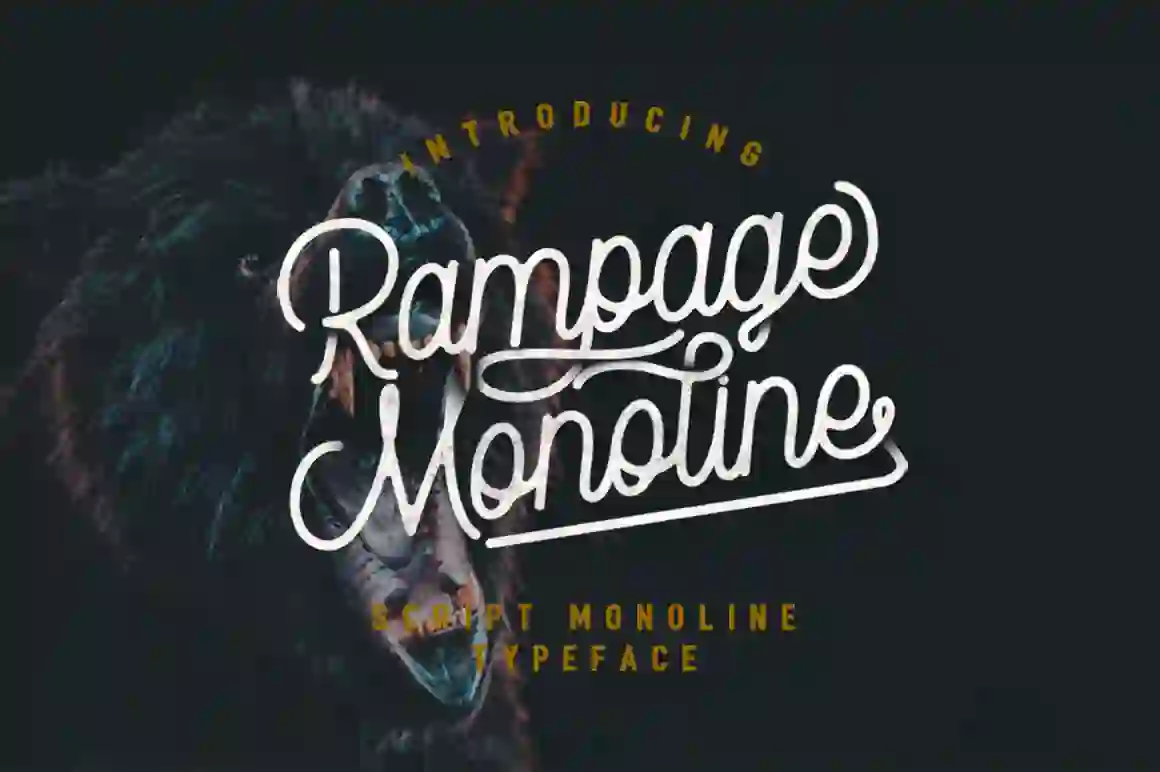
Rampage Monoline from Creatype Studio is a vintage-leaning monoline script with regular and rounded styles. Instead of thick–thin contrast, it uses a consistent stroke width, which makes it easy to engrave, embroider, or cut in vinyl.
Namecheap calls Rampage Monoline a great fit for tattoo shops and retro brands, and that tracks: it has the right mix of nostalgia and edge for barbershops, motorcycle clubs, and heritage food trucks. If you want connected scripts that read clearly on signage and merch, this sits high on the list of best cursive fonts in 2026 for your logo and brand.
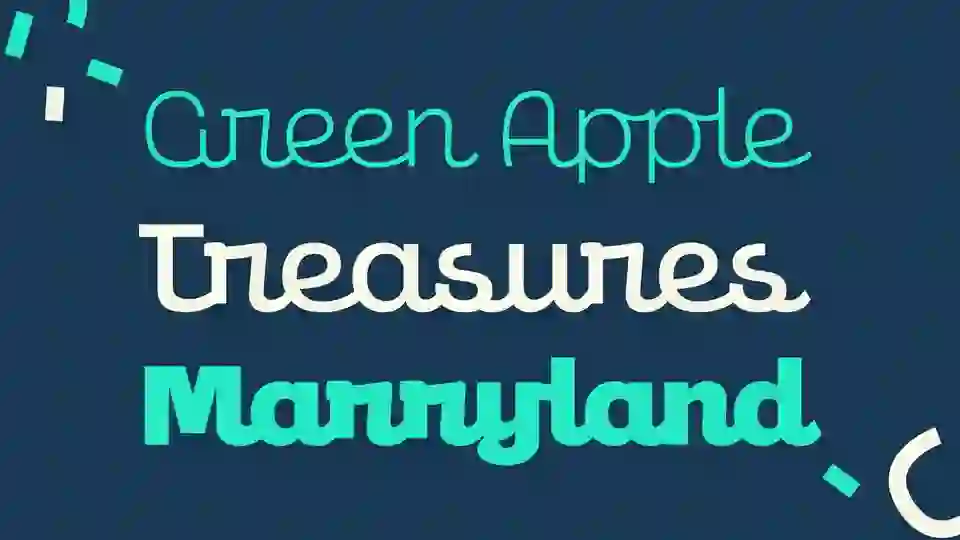
Amio is a fun geometrical connected script font family by Eko Bimantara, with six weights from light to extrabold. Its letterforms feel more constructed than brushy, which gives it a modern, slightly futuristic script vibe.
Because of that structure, Amio works well for wellness, kids’ products, and upbeat tech-adjacent brands that want a friendly script without leaning too vintage. If you see the phrase "Amio" pop up next to Hope Sans or Rampage Monoline in lists of best script fonts, this is why: it carries a fun energy but still behaves predictably in layout.
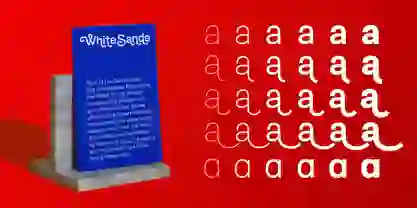
Hope Sans by Charles Nix started life as a sans serif, but the family ships with multiple swash capitals, alternates, and ligatures designed for headlines and logos. Those decorative forms give you a pseudo-cursive effect while keeping the skeleton of a grotesque.
Looka highlights Hope Sans alongside other script options for retro branding because its italics and swashes can carry a logo on their own. If you notice people writing "Hope ans" in font lists, they usually mean Hope Sans’s decorative styles, which can sit alongside true cursive fonts in logo design without clashing.
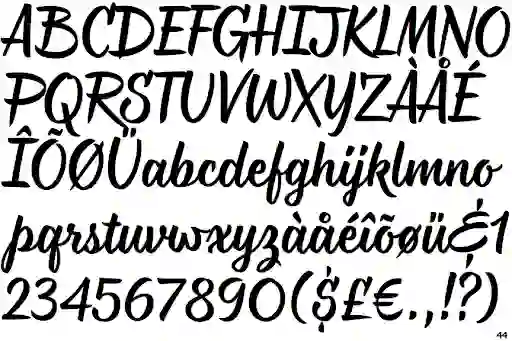
Monarda, drawn by Terrance Weinzierl for Monotype, is a bold brush script inspired by mid-century sign painting. It has huge swash caps, contextual alternates, and a high x-height, so your brand name looks painted rather than typed.
Looka calls it out as a go-to retro cursive font for fashion, beauty, and lifestyle brands that want movement and flair. If your best cursive fonts for logo and branding short-list includes loud, energetic options for billboards or apparel labels, Monarda deserves a serious test.
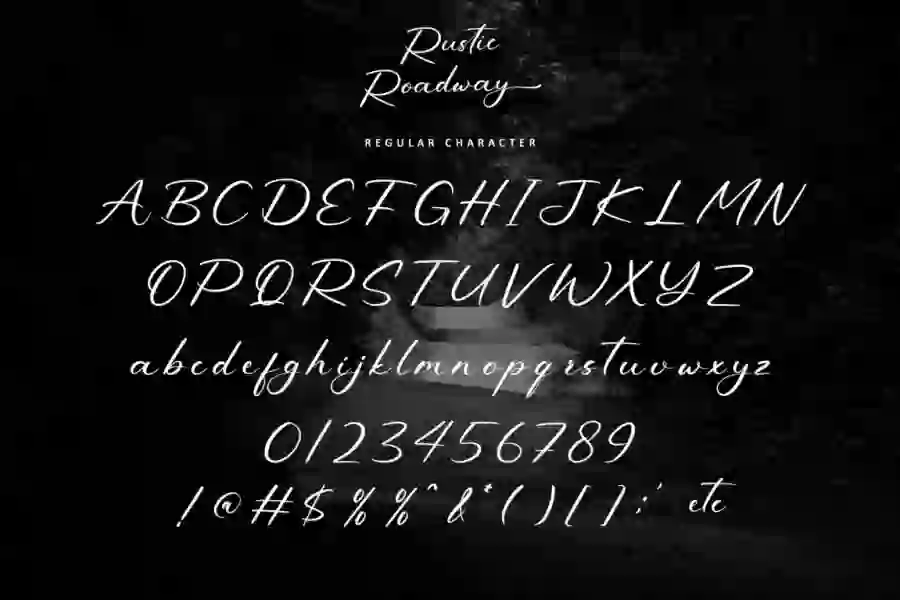
Rustic Roadway, sold through Creative Market, is a handwritten script with a mix of elegance and roughness; it ships with alternates, ligatures, and an italic style. It feels like neat marker lettering rather than copperplate, which lands well for farmhouse, outdoor, and craft brands.
Because it includes PUA-encoded alternates, you can dial the style up or down for different cursive font designs—less swirly for menus, more dramatic for logos. It is a strong candidate when you want best cursive fonts for businesses that sit between rustic and polished.
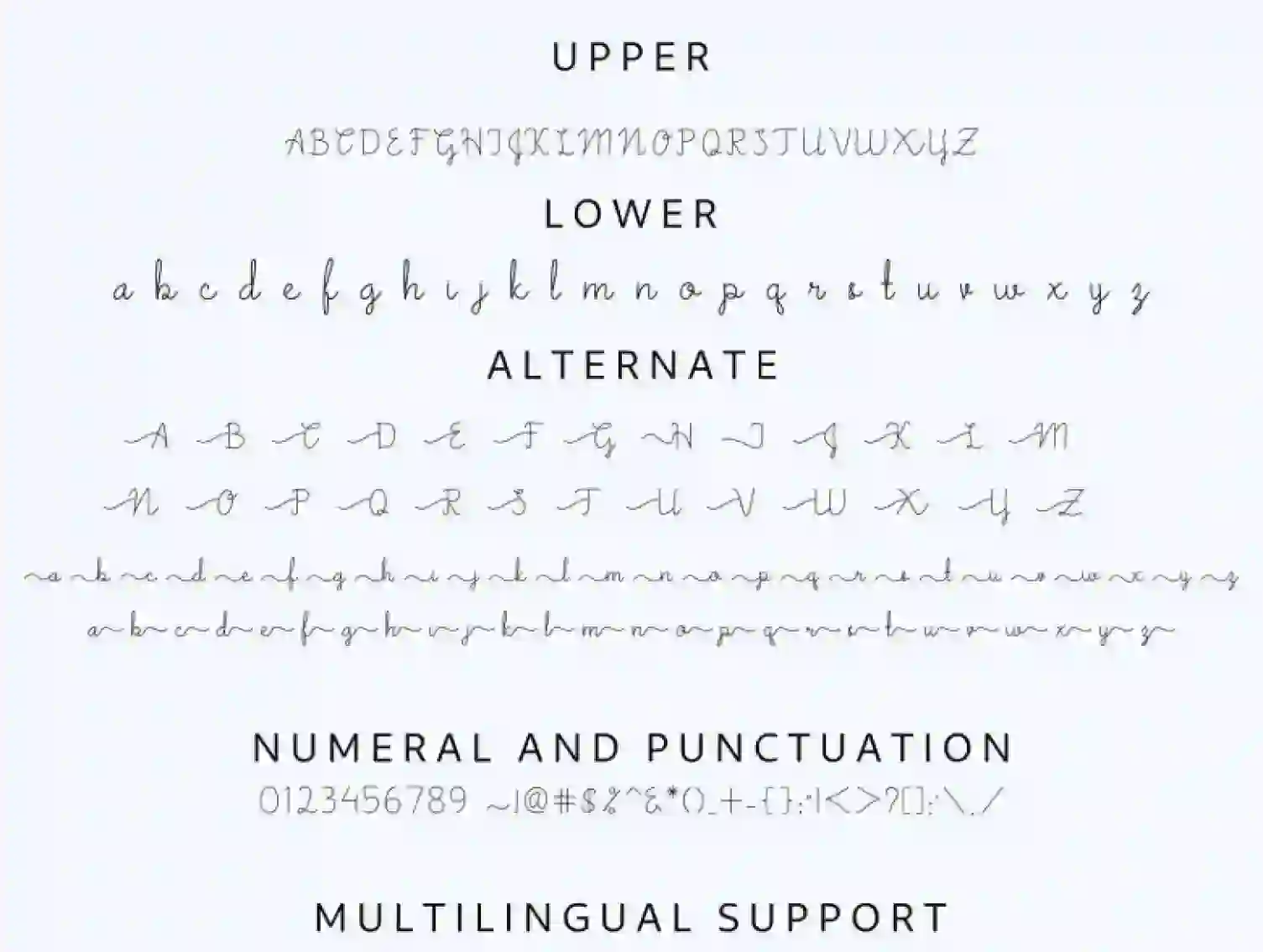
Amsterdam Script by Lettersiro is a stylish signature-style font with alternates and ligatures, originally released as a photography watermark and branding face. It has a bouncy baseline and slightly exaggerated strokes that feel like modern influencer handwriting.
That look makes it a natural fit for personal brands, photographers, and boutique fashion labels. When you plan cursive font projects aimed at social media overlays and logos on lifestyle products, Amsterdam behaves like a reliable go-to.

Mistrully is a fashion-forward brush script with lots of glyphs, ligatures, and multilingual support. Its strokes feel like a thick paintbrush dragged quickly across paper, which gives logos a confident, casual tone.
Looka’s list of best cursive fonts for logo and branding in 2025 already flagged Mistrully as one of the stronger Canva-available scripts for beauty and lifestyle branding. In 2026, it still works when you want romantic cursive logos with a slightly wild edge rather than polite invitation energy.
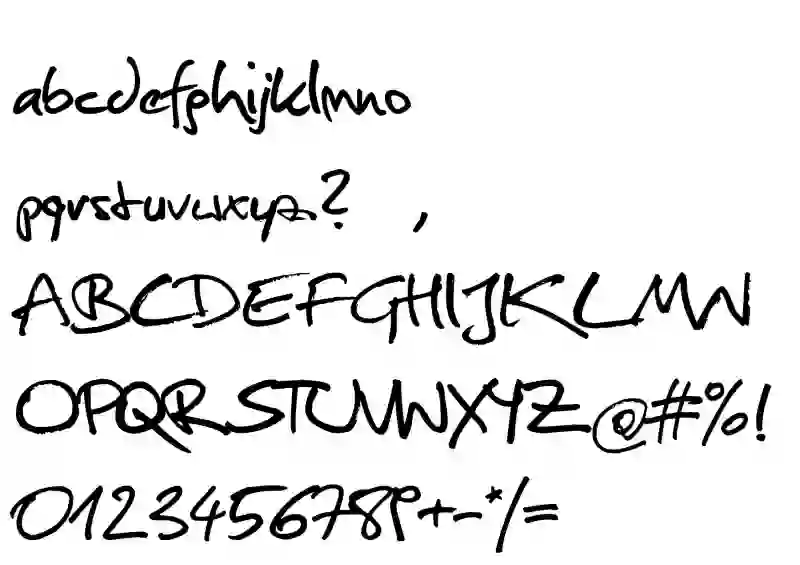
Christopher Hand is a free handwritten script by El Stinger with over 600 characters and multi-script support. It looks like neat journal handwriting, not calligraphy, which gives it a friendly, personal voice.
You can treat it as a bridge between casual scripts and plain sans serifs for brands that want warmth without big swashes—think indie bookstores, cafes, or small SaaS tools with "human" positioning. For best cursive font for your business when you want to feel approachable and honest, Christopher Hand is worth testing.
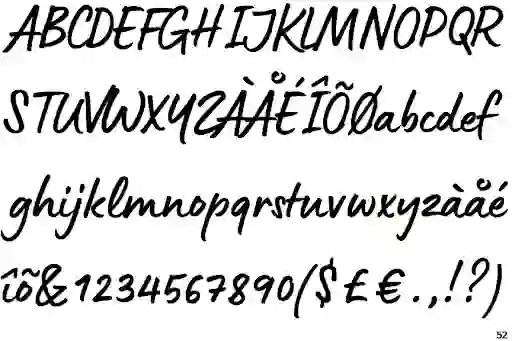
Lumios Marker is a freehand marker script based on the Pilot Sign Pen, with extended Latin and Cyrillic support plus numerous alternates. Sharp edges and clean vector tracing make it suitable for both print and web, even at larger sizes.
Looka includes Lumios Marker among its favorite brush-style Canva cursive fonts because it reads clearly in logos, headlines, and social graphics. If you want cursive fonts that suit the mood of your project in streetwear, skate, or youth brands, this one earns a spot on the shortlist.
Little Bee shows up in multiple expert lists as a bold brush-style script that feels playful but still structured. Its chunky strokes and friendly curves make it ideal for children’s products, casual food brands, or lifestyle apparel.
Because it keeps a clear silhouette, Little Bee holds up in one-color prints and embroidery, which matters if you are choosing the best cursive fonts for logo and branding that will live on hats, labels, or signage.
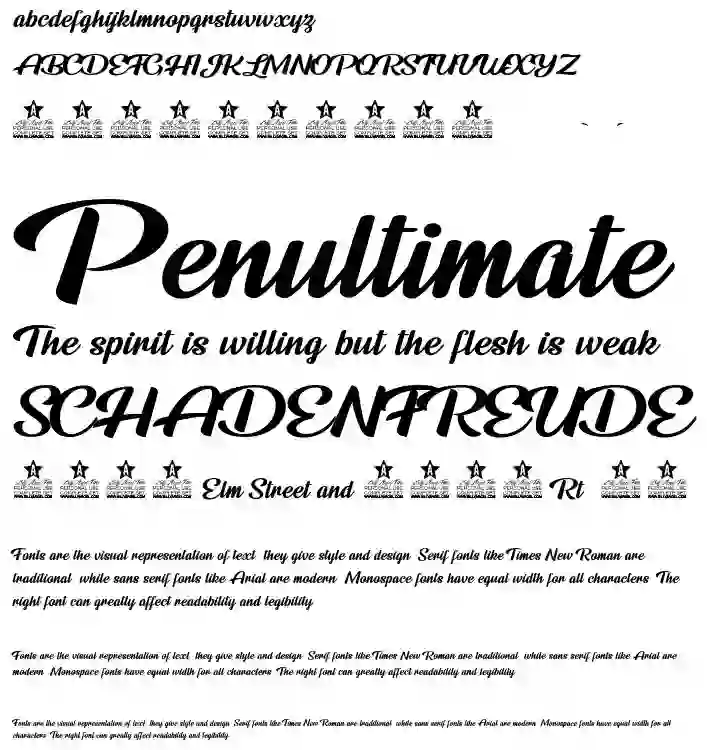
Lemon Jelly is a bold, flowing script with ornate capitals and 300+ characters, often recommended for statement logos. Namecheap points out that its thick strokes make it strong enough for eye-catching marks if you pick the right color contrast.
You could reach for Lemon Jelly when you want high-energy cursive font designs for beverage, snack, or festival brands. Just keep the word length short so the curves stay legible; two or three-word names might need a lighter script instead.
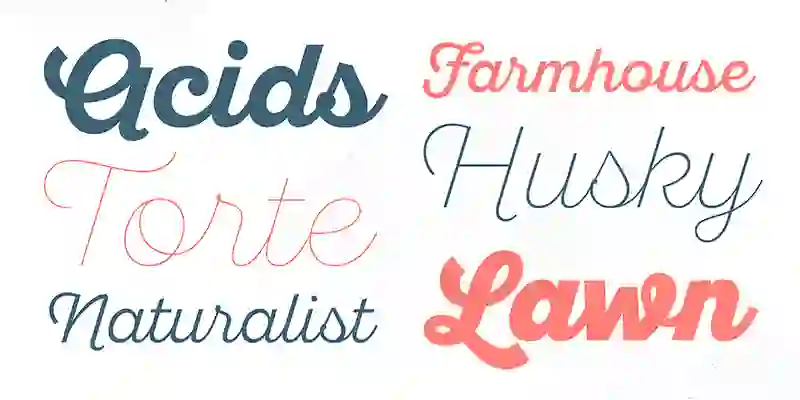
Sant’Elia Script from Yellow Design Studio is a large script family with regular and rough styles plus multiple weights. Many weights ship with distressed textures, which work nicely for heritage, outdoor, or denim brands.
Because it is licensed for personal and commercial use in some weights, it can double as one of your "free cursive fonts" during prototyping and then upgrade later. When you search for best cursive fonts for your visual identity that lean vintage American, Sant’Elia Script often appears for good reason.
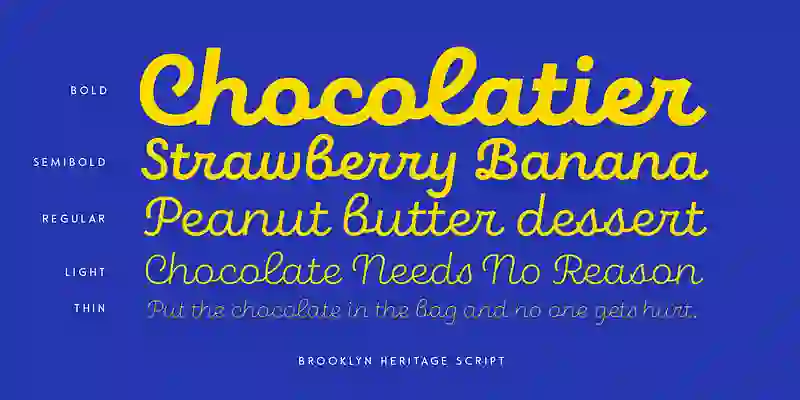
Brooklyn Heritage Script is part of a larger family that reimagines 1930s lettering with both sans and script members. The script variant offers 500+ glyphs and stylistic alternates, which lets you craft logotypes that feel custom without hiring a letterer.
Adobe Fonts highlights it as a strong companion for branding systems spanning packaging, websites, and editorial layouts. If you are hunting for the best cursive fonts in 2026 for your logo and brand in coffee, grooming, or heritage retail, Brooklyn Heritage Script hits that "fresh but rooted" tone.
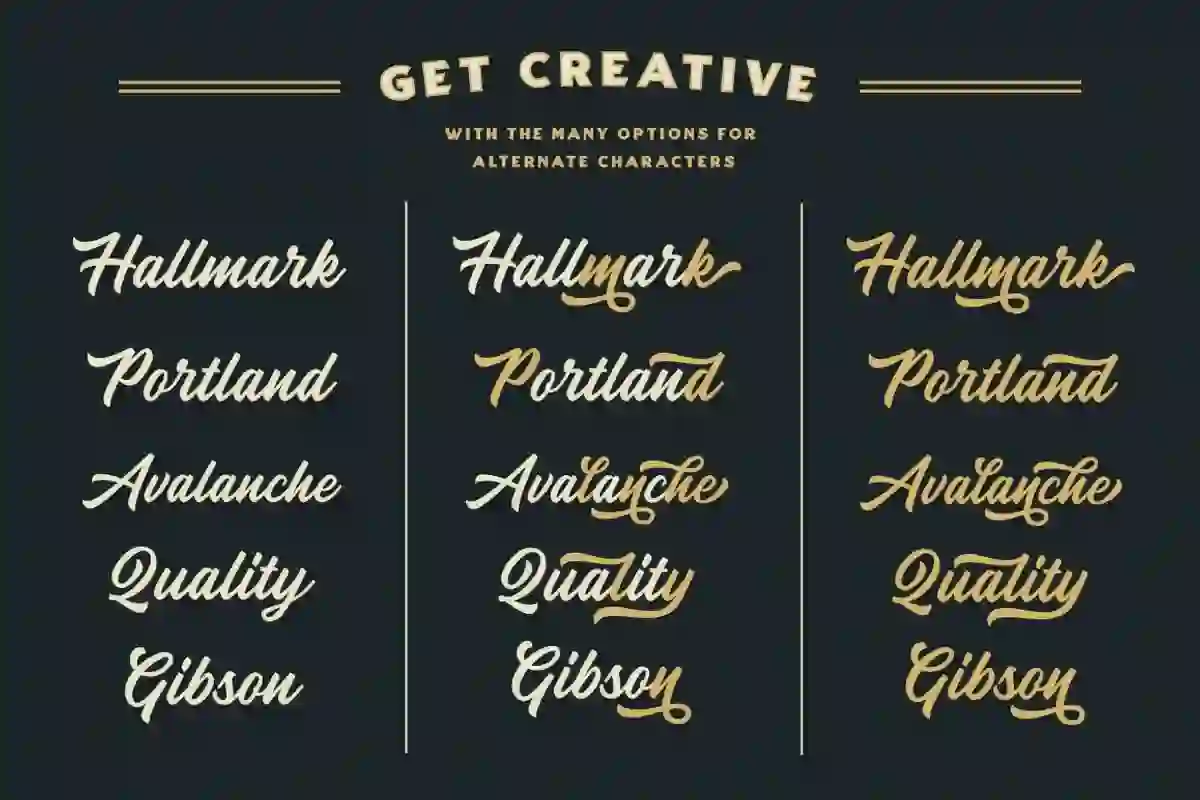
Heather Oliver, by Jeremy Vessey, is a modern script with three styles (regular, rough, stamp) and plenty of alternates for each lowercase letter. It was built with logos and apparel graphics in mind, which shows in its confident, slightly slanted strokes.
Recent 2026 roundups call Heather Oliver one of the best cursive fonts for logos because each word can be tweaked heavily using alternates, giving you semi-custom results without custom lettering. It sits in a sweet spot between romantic cursive logos and sporty brush marks.
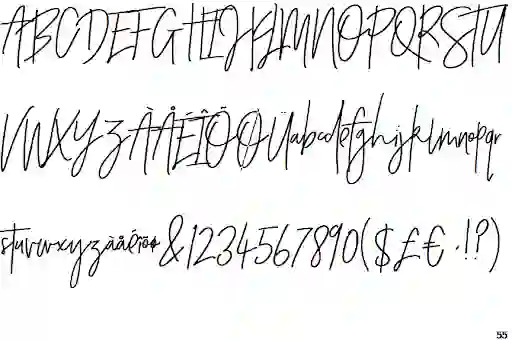
Crystal Sky is a bouncy hand-lettered script by Set Sail Studios, often sold with a doodle pack of hearts and arrows. It has a soft, expressive line with exaggerated loops that make it a favorite for wedding, lifestyle, and boutique branding.
Because it supports over 200 languages and includes alternates and ligatures, Crystal Sky scales well beyond simple quotes. If you are exploring best calligraphy cursive font logo ideas for wellness retreats, calligraphy studios, or feminine product lines, this one stays relevant in 2026.
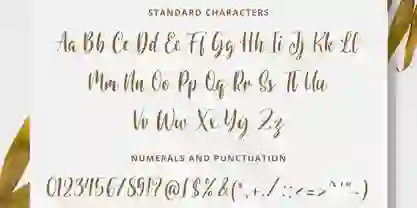
Burnt Rose is a bold handwritten script by Graphue, with over 300 glyphs and OpenType features like stylistic sets and ligatures. It feels like a modern brush script but with a classy tilt, so it can handle both edgy apparel and elegant packaging.
EbaqDesign’s 2026 list of best cursive fonts for logos and branding highlights Burnt Rose as a flexible choice for social-led brands that still need sharp logo files for print. Use it when you want cursive font projects that jump off the feed and still look sharp on labels.
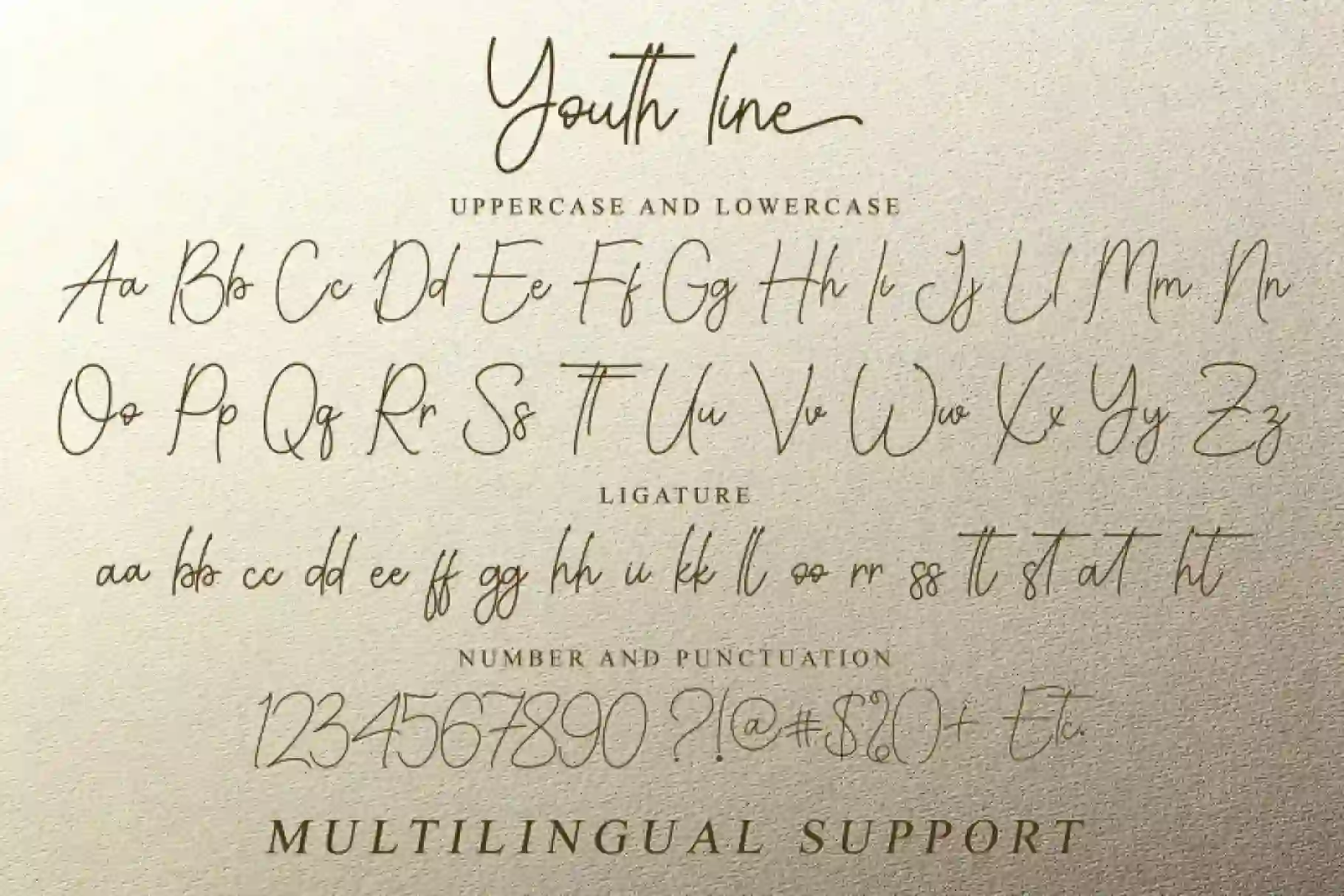
Youth Line by Sakha Design is a simple, relaxed handwritten script that shows up in Namecheap and Looka’s recommendations for casual branding. Its lines are clean, with few embellishments, which keeps it legible even at smaller sizes.
That makes Youth Line a good fit when you want best cursive fonts for businesses in beauty, wellness, or coaching that feel approachable rather than overly fancy. It pairs well with neutral sans serif business fonts when you need a clear "best font for your business" baseline plus a softer script accent.
You can scroll endless font marketplaces, but the best cursive fonts for logo and branding in 2026 all share the same traits: clear shapes, believable rhythm, and enough alternates to fine‑tune a logotype without breaking it. If you match script style to your brand story, pair it with simple supporting type, and test it across real-world touchpoints, you do not need a thousand options—just a tight set that works. Combine these fonts with AI tools, smart color choices, and usability checks, and your cursive logo will feel intentional, not trendy. Use Logome to make unique logos for your brand today!
The best cursive fonts for logo and branding in 2026 combine legibility, a distinct silhouette, and OpenType alternates so you can customize names without redrawing letters. They also scale from favicon to signage and sit comfortably with a secondary sans or serif. Fonts like Great Vibes, Rampage Monoline, Heather Oliver, and Monarda keep showing up in expert lists because they hit that balance between style and clarity.
Start by listing your niche, audience, and tone, then compare reference logos from similar brands. Ask whether you need formal calligraphy, loose handwriting, or bold brush strokes. Use tools like cursive font generator sites and Logome’s galleries to test several options, then run them through usability checks for small sizes and different backgrounds. That process answers how to choose the best cursive fonts for logos based on evidence, not guesswork.
Many free cursive fonts, especially those on Google Fonts and reputable marketplaces, offer strong quality and liberal licenses for commercial use. They work well for early cursive font projects, mockups, and even final logos for small clients. Over time, as your brand grows, you might upgrade to paid families like Heather Oliver, Crystal Sky, or Brooklyn Heritage Script for more weights, alternates, and uniqueness. The best cursive font for your business is the one that fits your strategy, not just your budget.
AI tools already generate script-based wordmarks, test color combinations, and check logo usability at multiple sizes. That means designers spend less time redrawing swashes and more time deciding which scripts genuinely serve the brand. Articles on the future of branding show AI handling volume—logo variations, mockups, and social posts—while humans choose which high-quality cursive fonts and connected scripts match long-term positioning. In short, AI widens your options, but your taste still decides the best cursive fonts for logo and branding.


Discover how 500,000+ businesses and creators are using our AI logo maker in their Logo creation.


